

Variant Deep Dive: Silver & Bronze Age Comics
Variant Deep Dive: Silver & Bronze Age Comics
There is a new type of variant in Marvel Snap! Recent datamines have shown a series of variants based on classic Silver and Bronze Age comic covers! We've had a small amount of classic art before. Those familiar with the seminal 1992 X-Men card set will have noticed most of the Jim Lee variants come from that set. Ben Brode has said that the card sets of that era were a major inspiration for Snap. That card set was the first entryway into the X-Men characters for many people, coming out just before the classic X-Men: The Animated Series later that year.
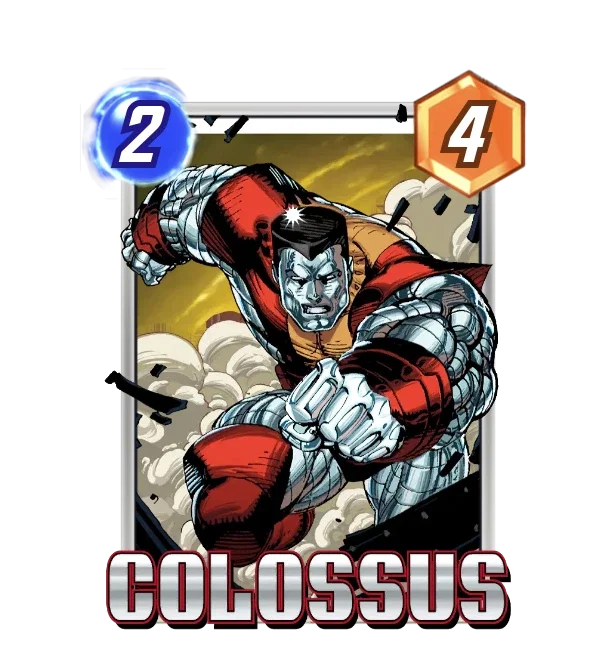
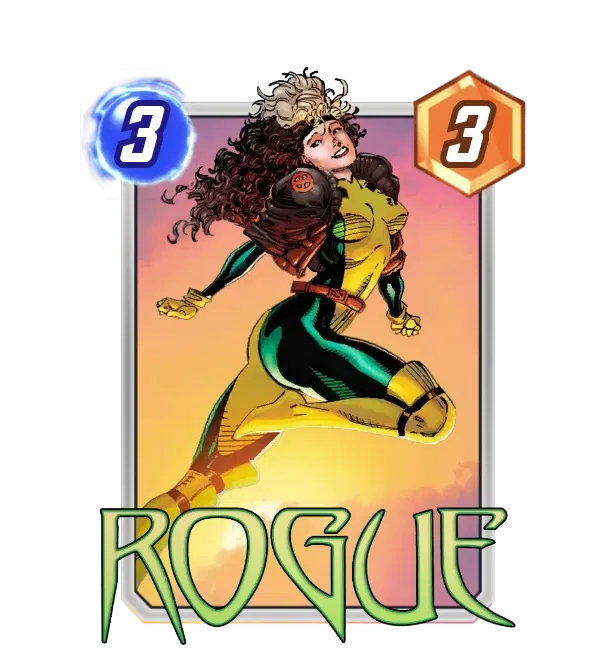
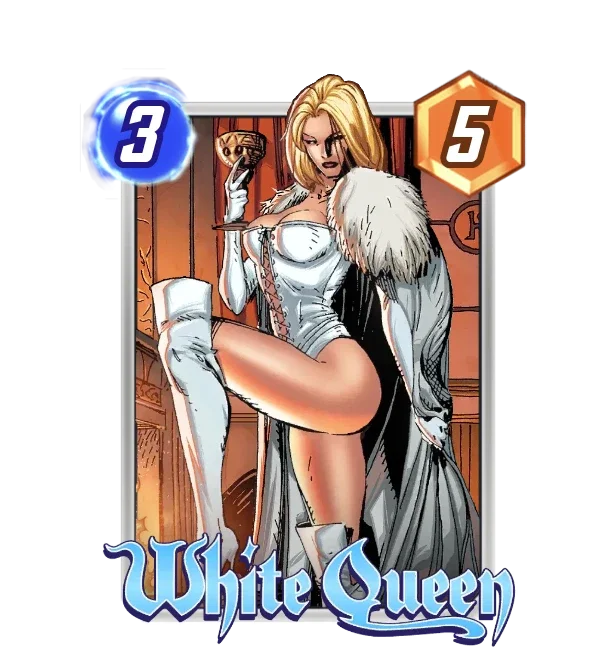
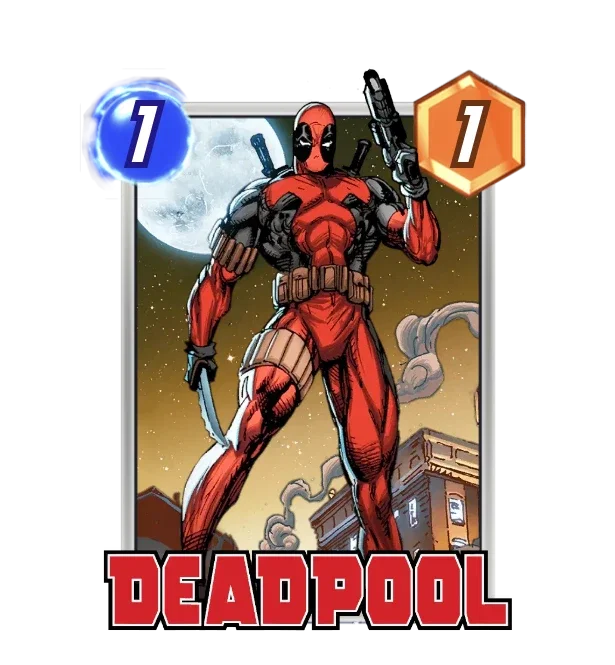
On the discord Jonny Erner, who is the art manager at Second Dinner, had previously teased that Silver age art was coming to the game. The Silver Age in comics is from roughly 1956 to 1970, while comics published between 1970 and about 1985 are considered Bronze Age. We've got our first batch of classic Bronze Age covers coming soon!
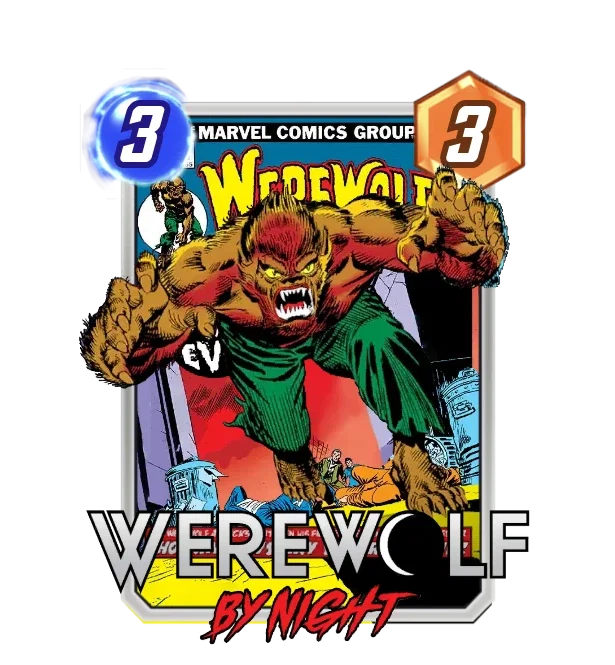
Werewolf by Night #25

This classic cover has been used for various trade editions of Werewolf by Night stories.
Jack Russell, the Werewolf by Night, seeks help with his werewolf problems and goes to visit Dr. Winston Redditch. Well, unfortunately the doctor tests the wrong formula on himself (isn't that always the way?) and transforms into a monster named DePrayve. The messed up villain, the Hangman shows up and they all have a brawl.
This cover is by the great Gil Kane and is set to release as a spotlight variant on January 30th.
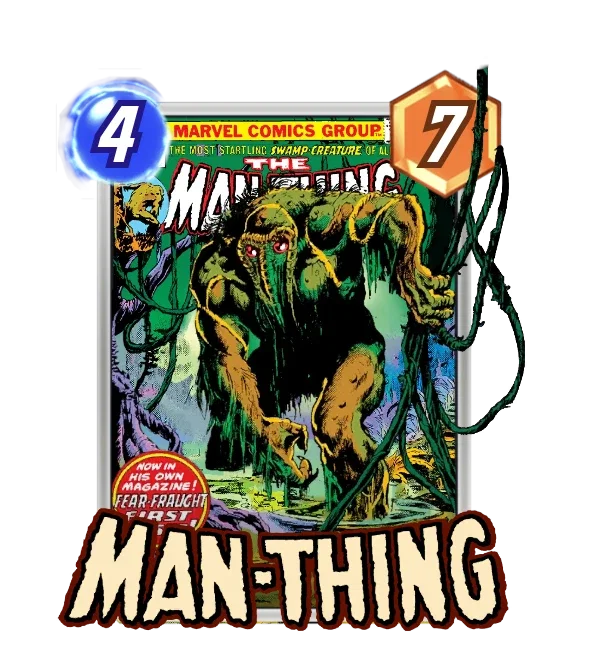
Man-Thing #1

This is the first issue of Man-Thing, but it's not his first appearance. That happened back in Savage Tales #1, where Ted Sallis injects himself with an experimental formula and is transformed into the Man-Thing. This issue is, however, notable for being the second appearance of Howard the Duck, and the first time he's ever named. In this issue Man-Thing (along with Howard) defend the nexus of all realities from a demon attack. This run of Man-Thing stories are incredibly strange and feature things like Knights being transported from alternate dimensions to Earth via peanut butter jars. This odd little seventies corner is responsible for a lot of Marvel's weirdest characters, including Bessie the Hellcow who first appears in Giant Size Man-Thing #5.
This cover art is by Frank Brunner. It had previously been datamined as appearing in a spotlight cache, but has since been removed. It's unclear when this will be releasing.
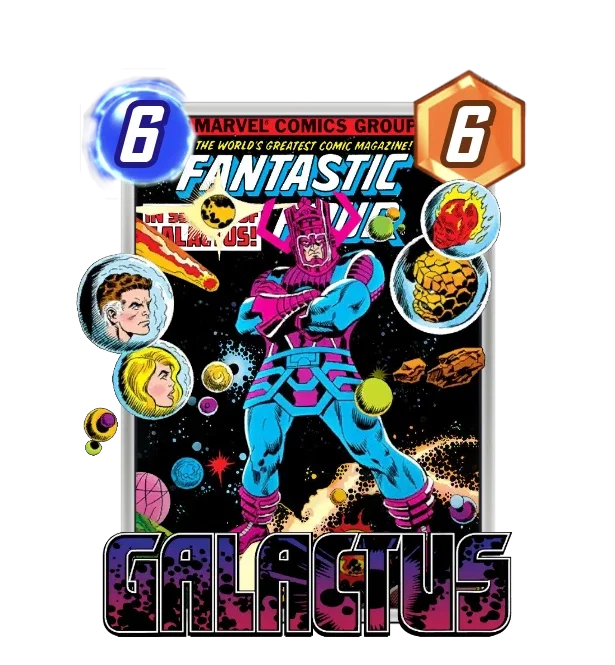
Fantastic Four #210

You may be wondering why the Fantastic Four go looking for Galactus. Doesn't that seem like a bad idea?
A different villain called the Sphinx is attacking earth and Reed thinks the only one who can defeat him is Galactus. After sneaking aboard Galactus' Worldship, the Four finally manage to get the world devourers attention and ask him to help stop the Sphinx. He refuses! When the Fantastic Four first battled Galactus way back in Fantastic Four #50, Human Torch steals the Ultimate Nullifier from the Worldship (with a little help from Uatu). Reed threatens Galactus with the weapon and makes him promise to never try to devour the Earth. In exchange for Galactus' help against the Sphinx, Reed releases Galactus from his promise. After defeating the Sphinx, Galactus gets ready to devour the Earth. Can't say the big guy is inconsistent! Reed emerges from the Worldship and is able to bluff Galactus with a fake Ultimate Nullifier (with a little help from Uatu), and gets him to leave the Earth… for now.
This cover art is by Keith Pollard and is set to release as a spotlight variant on January 9th.
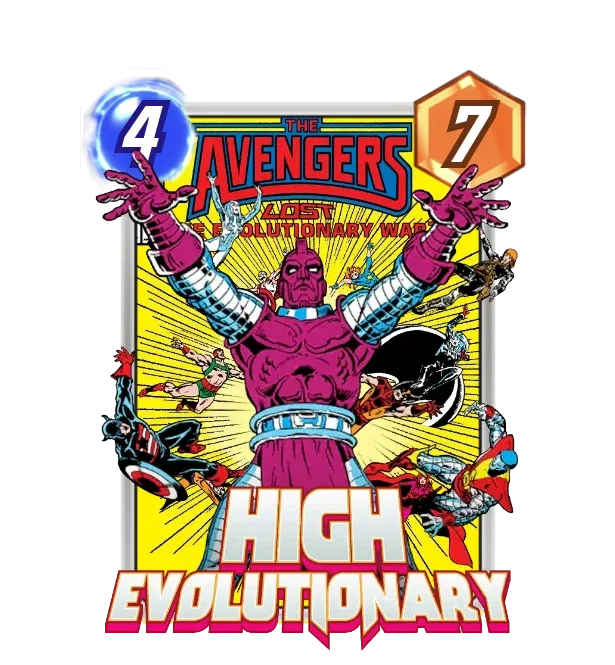
What If ? #1 (Vol. 2)

This cover is from What If…? #1 Volume 2, Marvel's alternate continuity series that imagines if events in the Marvel Universe had happened differently. The Disney+ What If? Series is has been source of inspiration for Marvel Snap, both locations and characters.
This issue deals with what might have happened if the Avengers had lost the Evolutionary War. In a cross-over storyline that spans 11 Marvel Comics Annuals from 1988, the Evolutionary War is Herbert Wyndham's (the High Evolutionary) attempt to detonate a genetic bomb in order to catapult human evolution thousands of years into the future.
In continuity, the Avengers are able to stop him. This comic imagines what would have happened if that bomb had gone off. Strap-in because it gets crazy!
Humans get crazy big heads and massive intellects, while mutants and humans with superpowers get even more powerful and call themselves the Godlike Ones. Spider-Man grows 6 new arms (which gets him to 10 appendages, weirdly). The Thing gets extra bumpy.
They elect Wolverine as their leader, launch themselves into space where they destroy the Kree, Skrulls, and Shi'ar, kill Galactus, Death, Eternity, and the Celestials, eventually tear a hole in the universe and create a new big bang.
This cover art is by Keith Pollard and is set to release as a spotlight variant on January 2nd.
Infinity gauntlet #1

Thanos had been around in the Marvel Universe before this storyline, but it's here where he really becomes a Big Bad of the Marvel universe. Without this series, Thanos would likely be a totally forgotten C tier villain.
This series is largely the inspiration for the MCU's Infinity War, but if differs in a few key ways. First, Gamorra, and especially Nebula are not particularly like their MCU counterparts and the Black Order doesn't exist yet. Perhaps the most delightful difference is in Thanos' motivation for killing half the universe. In the MCU, Thanos desires to bring balance to the universe out of some Malthusian concern over resources. In the comics he was just trying to impress Death, who he was in love with.
This cover art is by George Perez. It's release date is unknown.
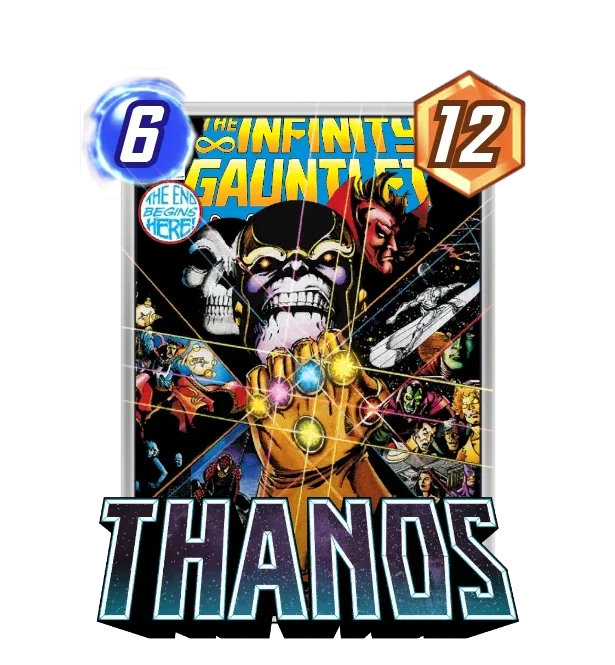
Personally I think issue 4, also by Perez, would have made a better variant.

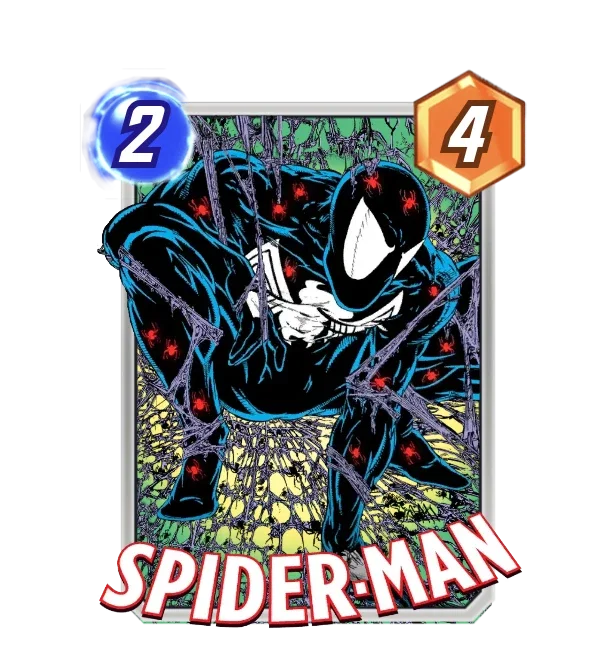
Spider-Man #13

Did you know there's already a classic cover available in the game? This Spider-Man variant is from Spider-Man #13 from 1991. It's actually a bit of a meme. Todd McFarlane based this cover on the one he'd made for issue #1 just a year prior, where Spider-Man is wearing his classic red suit. It's one thing to make a tribute cover that references a classic cover. It's another entirely to make a tribute to your own iconic work after less than a year. The tagline "13th all-new collector's item issue" pokes fun at the type of trade dress 90s comics were often covered with. There's also a bit of irony that MacFarlane was depicting Spider-Man in his black and white suit. One of his conditions for coming in as an artist to the Amazing Spider-Man in the first place back in 1997 was returning Spider-Man to his iconic red suit. While coming up with ways for this to happen, the character of Venom was conceived. Borne out of a dislike of the black suit, MacFarlane's career was hugely boosted by the next character to wear the black suit.

These covers are great, and I'm going to try to plan my resources out to get all of them if I can. But here's a list of covers I'd really like to see in the game.
Polaris from X-Men #50 by Jim Steranko

Kitty Pryde from Uncanny X-Men #168 by Paul Smith

Nick Fury from Nick Fury, Agent of Shield #4 by Jim Steranko

Beta Ray Bill from Thor #337 by Walter Simonson

Daredevil from Daredevil #184 by Frank Miller

Jean Grey from Uncanny X-Men #135 by John Byrne

The Hulk from King-Size Hulk Special #1 by Marie Severin

Dr. Doom from Marvel Super-Heroes #20 by Larry Lieber

Wolverine from Wolverine #17 by John Byrne

What variants are you planning to pick up? Are you willing to spend spotlight caches on them? What classic cover would you like to see brought to the game as variants? Tell us which of my choices for classic covers you like the most! The one you all vote on the most will get a deep dive article! You can also vote on which classic cover you'd like us to do a deep dive on by heading to our discord here.