

Tips for New Players
As a part of a series aimed at new players, ItsGuestGaming has been putting out a variety of helpful videos that help newer players get up to speed and compete at the level they want. We wanted to assist in this investment in the next generation of Snappers, so Guest and I decided to collaborate on a topic we each have a lot of thoughts on: important skills for new players! Check out his video full of valuable insight and then come back here for my advice:
Sequencing
The development of proper sequencing skills doesn't just mean playing cards in the right order. It also means understanding the game mechanics and how they can affect sequencing. For example, moves on board always happen before cards are revealed, multiple Captain Marvels attempt to resolve in the order they're played, and the Nexus resolves left to right. Knowing how complex cards like Nico Minoru, Mysterio, and Cerebro function and sequence can be the difference between a win and a loss.
Reading Your Opponents
One of the most important aspects of reading your opponent is being able to predict their likely and potential output range. This also means that meta knowledge (like what decks are popular at a given moment) and knowledge of all of the cards and interactions in the game are important. This takes time to learn, but if you are able to figure out what your opponent is playing and what their strategy is, you will be able to make more informed plays. Try to guess what is in your opponent’s deck as early as turn 1 and take your time on turn 6 to mentally go through what they're most likely going to do before locking in your own play. Pay careful attention to when your opponent snaps and try to evaluate why. This is one of the most important aspects of predicting your opponent and preventing 8-Cube losses.
Cube Management
It's easy to lose track or misremember your game results, especially in a fast game like Snap where it's easy to binge a boatload of games and the flashy wins and devastating losses stick more stubbornly in your mind. You can track your results with our tracker or even just in a notes app. You'll be shocked at how much different you play when you're actually keeping track of your cube gains and losses.
Emotional Control
Avoiding tilt is important, but the method varies from player to player. For some, limiting the length of their sessions can help reduce burnout and prevent massive rank drops. For others it can mean maintaining a healthy relationship to the game. Don't just do things in the game for rewards. The reward hamster wheel is an easy way to play worse and enjoy Snap less when you do. Focus on doing the things in the game you actually like and focus on your own personal goals. A happy snapper is more likely to play well.
Mapping your win conditions
Newer players tend to just play out their cards on the first several turns without much forethought and then only on turn 6 so they start to think about how they're actually going to win the game. Instead, start to map out your plan and look for your win conditions throughout the game, starting as early as possible. Look at your hand, your matchup, and the locations and think about how the game will play out. Will this be a game you battle for all 3 locations? Is it best to abandon one lane entirely or do you need to keep your opponent honest in a lane you're not planning to win? Should I play this key card now or hold it? Sometimes playing the maximum amount of power early or using all of your energy on a perfect curve aren't actually the best path to victory. Don't wait to plan how you're going to win till the end of the game, map your win conditions early and often.
Responsible Retreating
Snapping is a very important part of Snap, but learning to retreat appropriately is the other side of the same coin. While I think the majority of new players retreat far too little, there are definitely those who are too conservative and retreat unless they're pretty sure they can win. Getting this balance right takes practice and experimentation. Learning to retreat like a top player doesn't mean you always need to retreat when you should. You can spend a week where you never retreat to help learn what games you should stay in and practice finding narrow paths to victory. You could spend another week just always retreating if your opponent Snaps you first. This can cure you of the tendency to stay in bad situations and help you evaluate strong hands. Whatever practice methods you take, be conscious of your results and take a moment at the end of each match to think about if it was smarter to retreat or stay. It's all about improving this crucial skill over the long term rather than being perfect at it right away.
Putting it all together
Between Guest’s tips and mine, you have plenty of actionable advice and strategies to digest. The main thing is to work on these skills deliberately. The more mindful you are of these skills and your improvement at them, the more pleased you're going to be with the progress of your skill level.
ItsGuestGaming’s video series for new players
Be sure to check out these additional newbie-friendly videos from Guest. His channel is home to the most extensive, up-to-date, resources for players who are just starting out. Whether you're a new player or just trying to take your game to a new level, you'll find something helpful here.
Scosco's Best Low Collection Level Decks
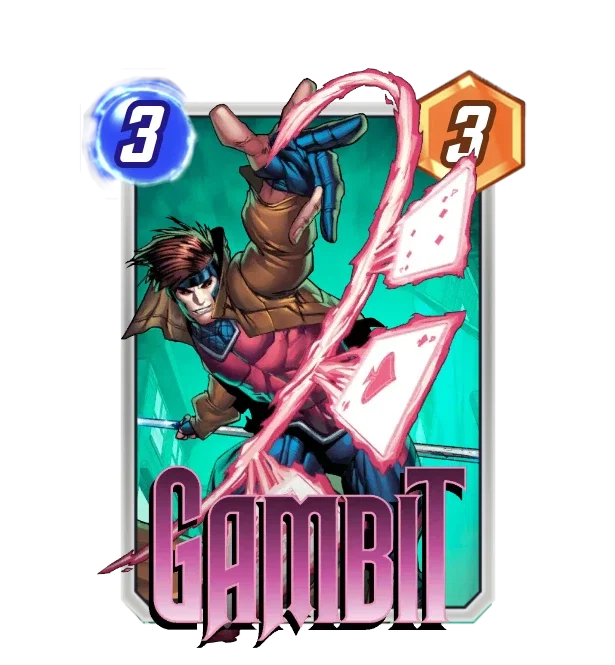
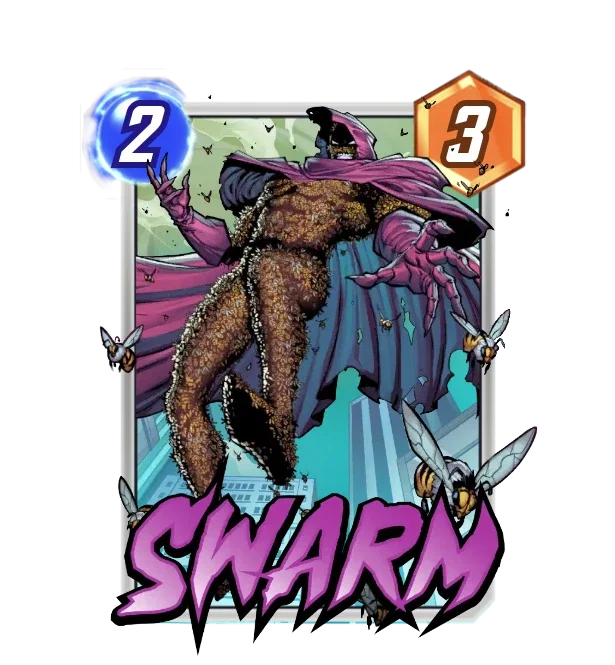
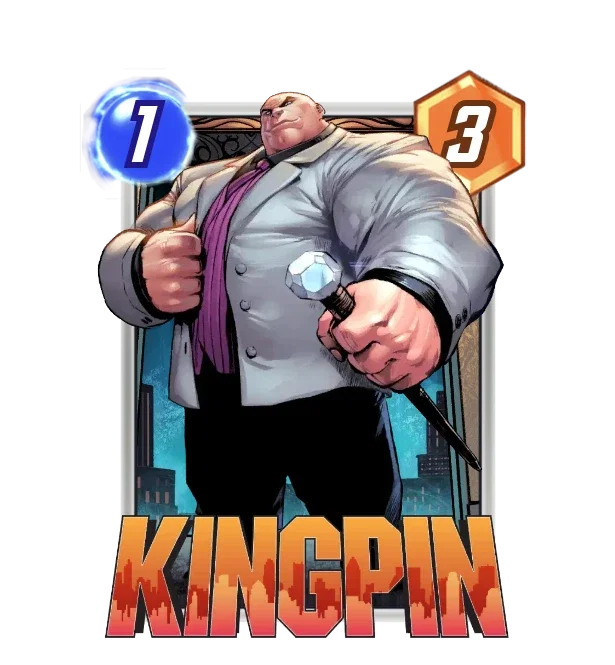
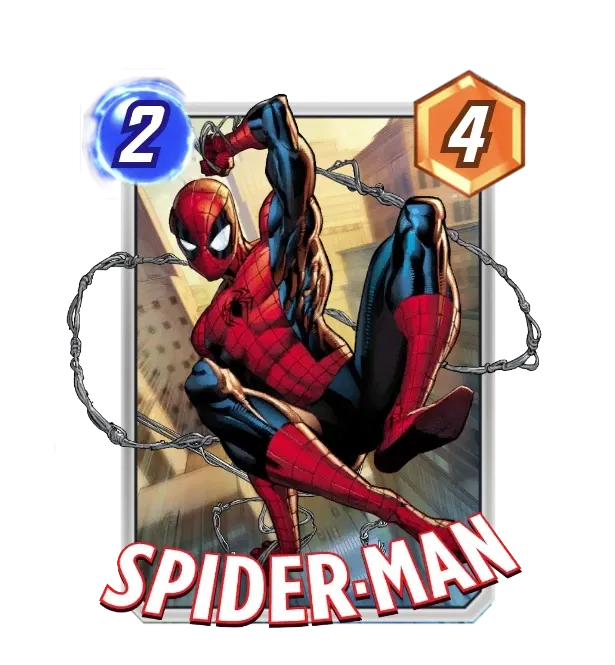
Here are a few winning decks that are perfect for newer players. These reward proper snapping and retreating and are excellent for working on your game skills. They aren't composed exclusively of low Series cards, but instead have one or two higher Series cards that are powerful enough that you can confidently target them.
Destructive Negative


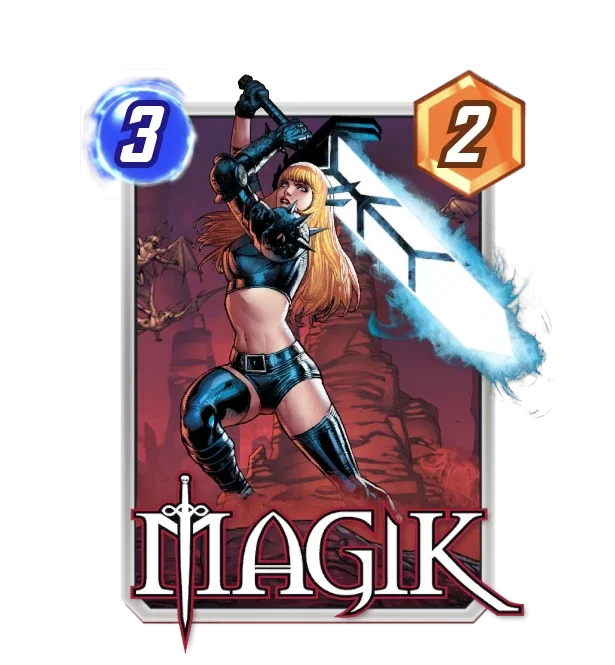

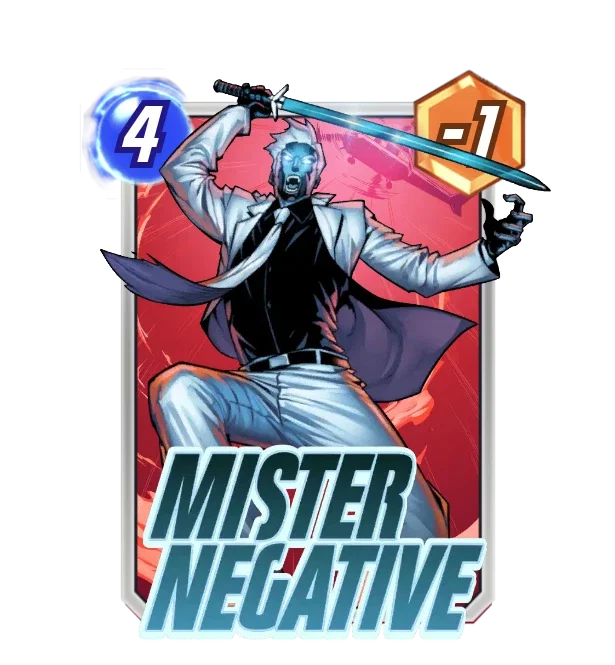
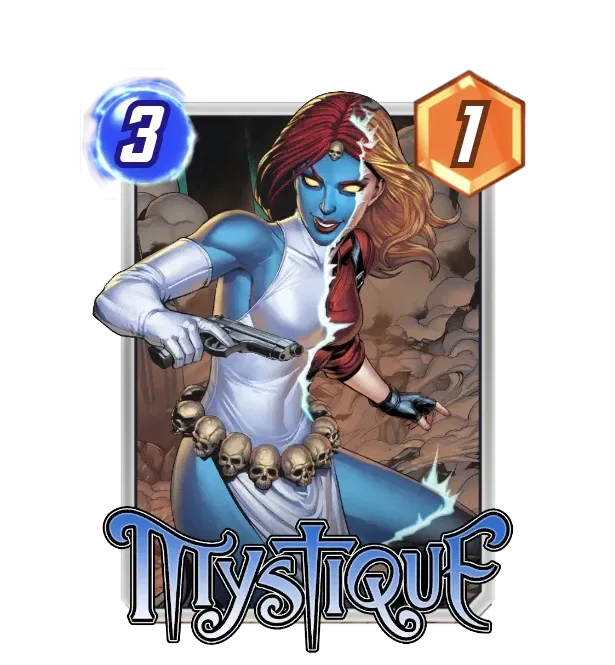
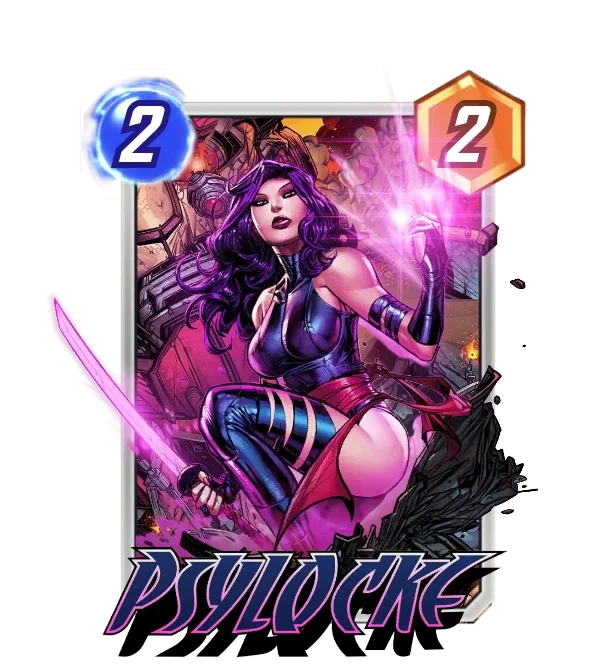
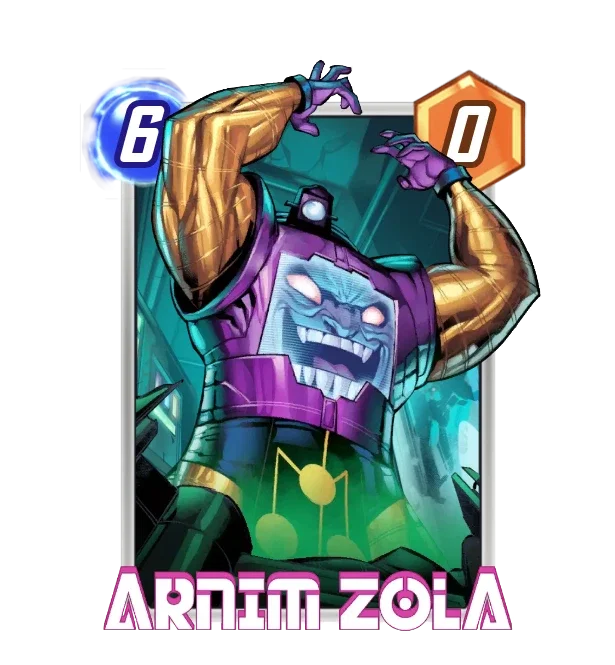
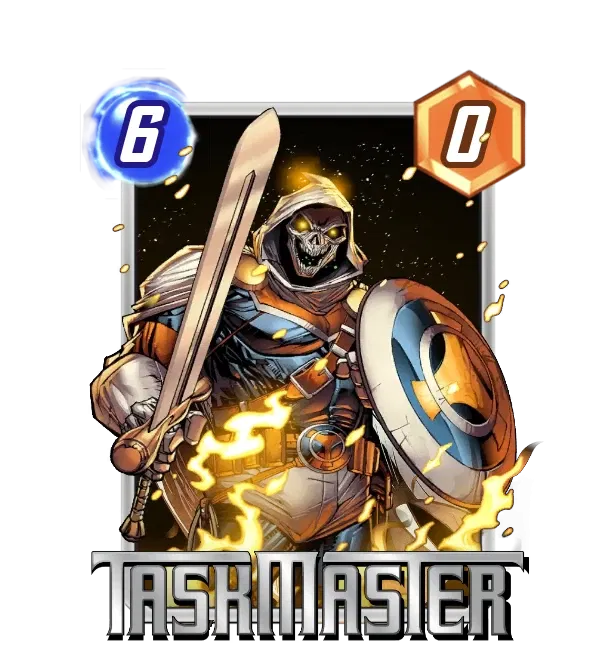


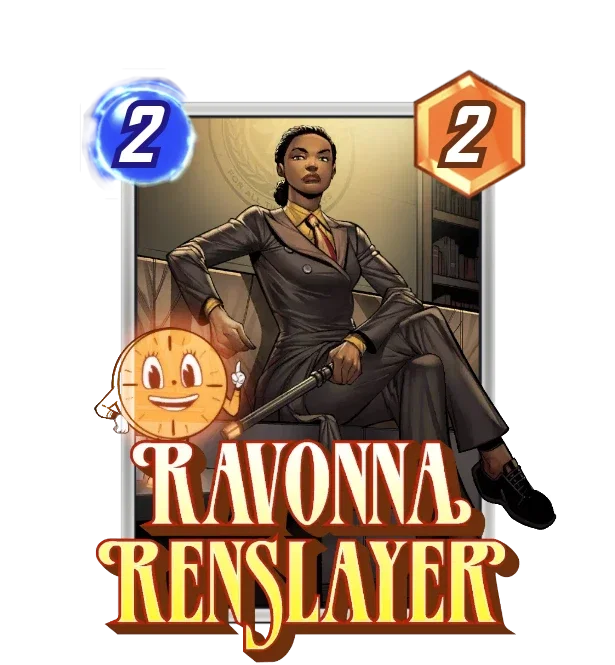
This Cards



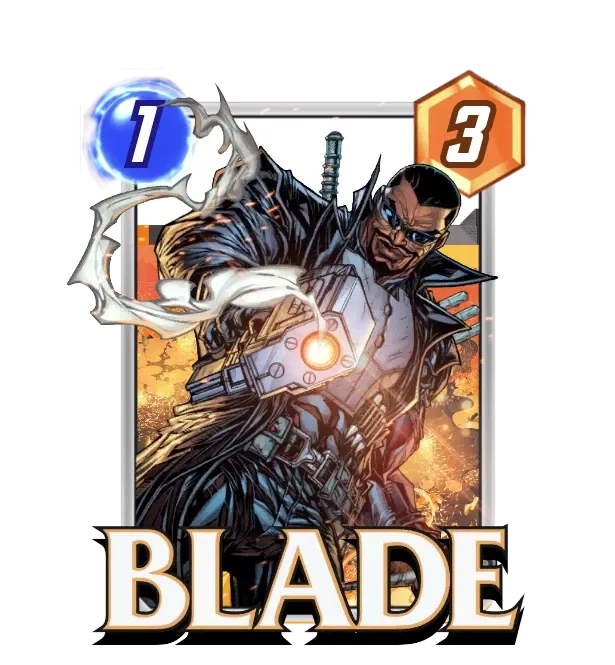






SequenceKing












ScreamQueen









Come find me on social media for more Snap and comics talk! In the comments, let me know what other “new player” topics you'd like to see covered!